




Futuresphere Unbound
A series of introductory essays on Futuresphere’s conceptual and ideological bases, and on how only new approaches to thinking and acting can save us from ourselves.
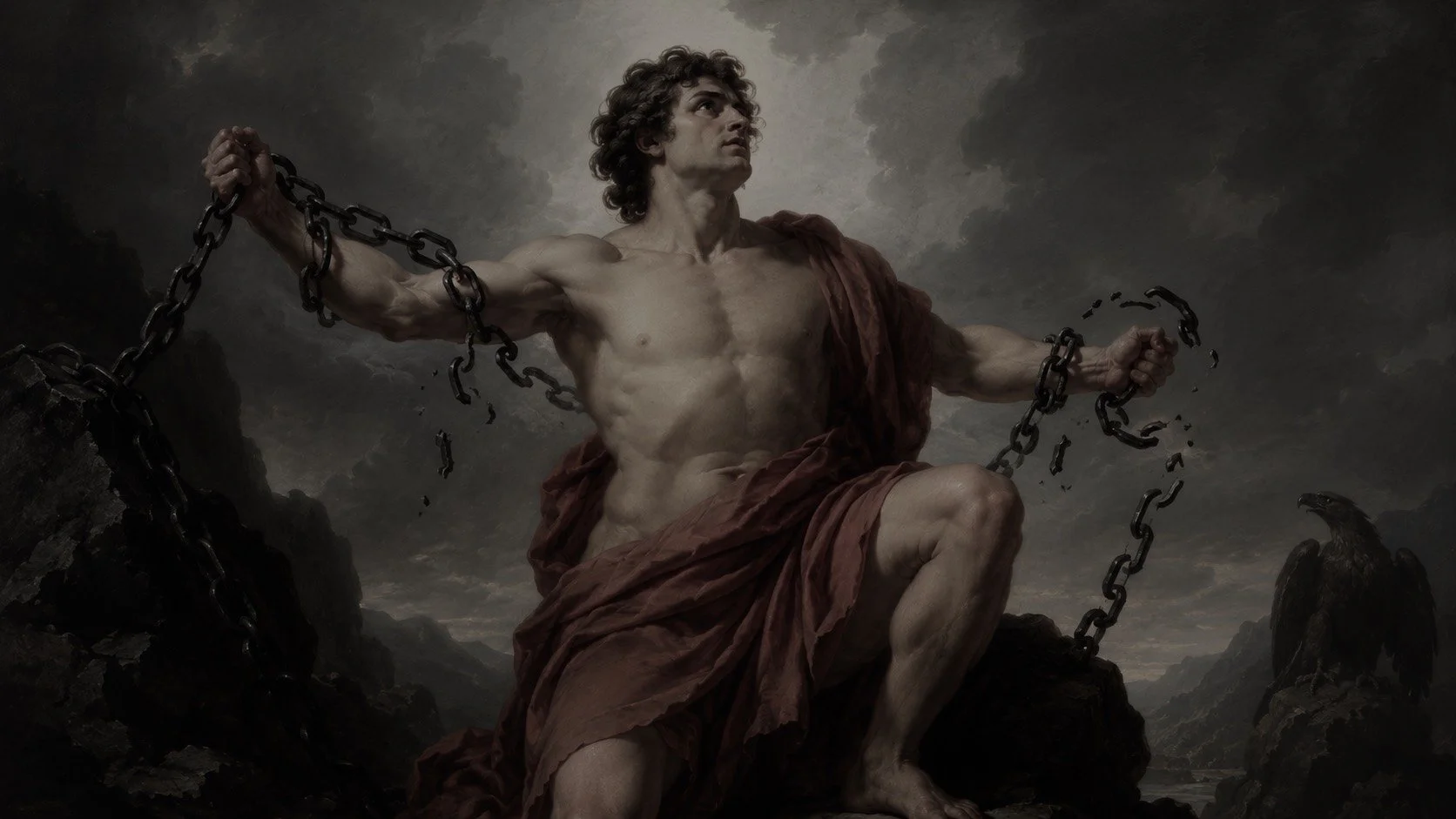
Prometheus in the style of Jacques-Louis David
Rendered by AI
Who benefits and is it ethical?
Meet our Founding Team
Start (again) as you mean to carry on: confronting the big issues
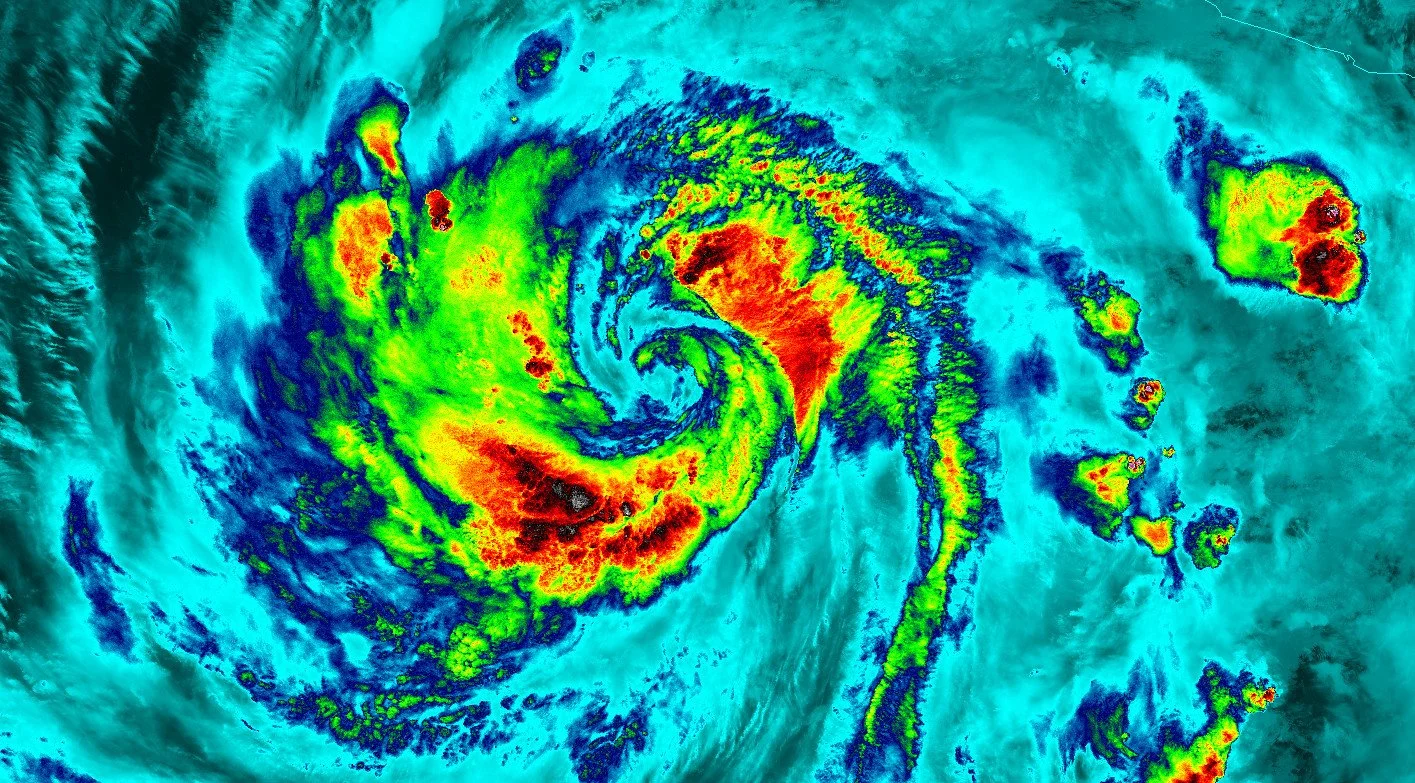
The climate crisis
There is no doubt that the climate is changing. Nor is there any doubt that the significant preponderance of scientific opinion avers that the cause is the emission of ‘greenhouse’ gases — principally methane from animal cultivation and carbon dioxide from combustion of ‘fossil’ fuels. These result from human industrialisation and current patterns of human consumption.
What we need to understand is what is and what is not causing that change. The changes required to bring emissions to levels that will maintain global warming to within target limits set globally through scientific consensus will be enormously expensive. They will not be incurred equally. But, even in developed countries, the costs of shifting energy technologies to net-zero carbon emissions will be staggering.
We need to be sure we have understood the need for change, the science of climate and modelling that science, the validity of the data we are using, uncertainties in climate models and cost models, and that science, rather than ideology, is driving calls from change.
Claims that the science is ‘settled’ are both disputable and irrelevant. Science is never settled; it is and must always be, provisional, awaiting incommensurable evidence and refutation. In the debate on anthropogenic causes of climate change, false claims of scientific consensus have been both unproductive and irrelevant.
The topic du jour
Engaging our human intelligence about artificial intelligence
Q. Is artifical intelligence hype or will it be transformative?
A. The answer is neither and both.
Which you select depends on how you think about it.
Some of our recent ideas
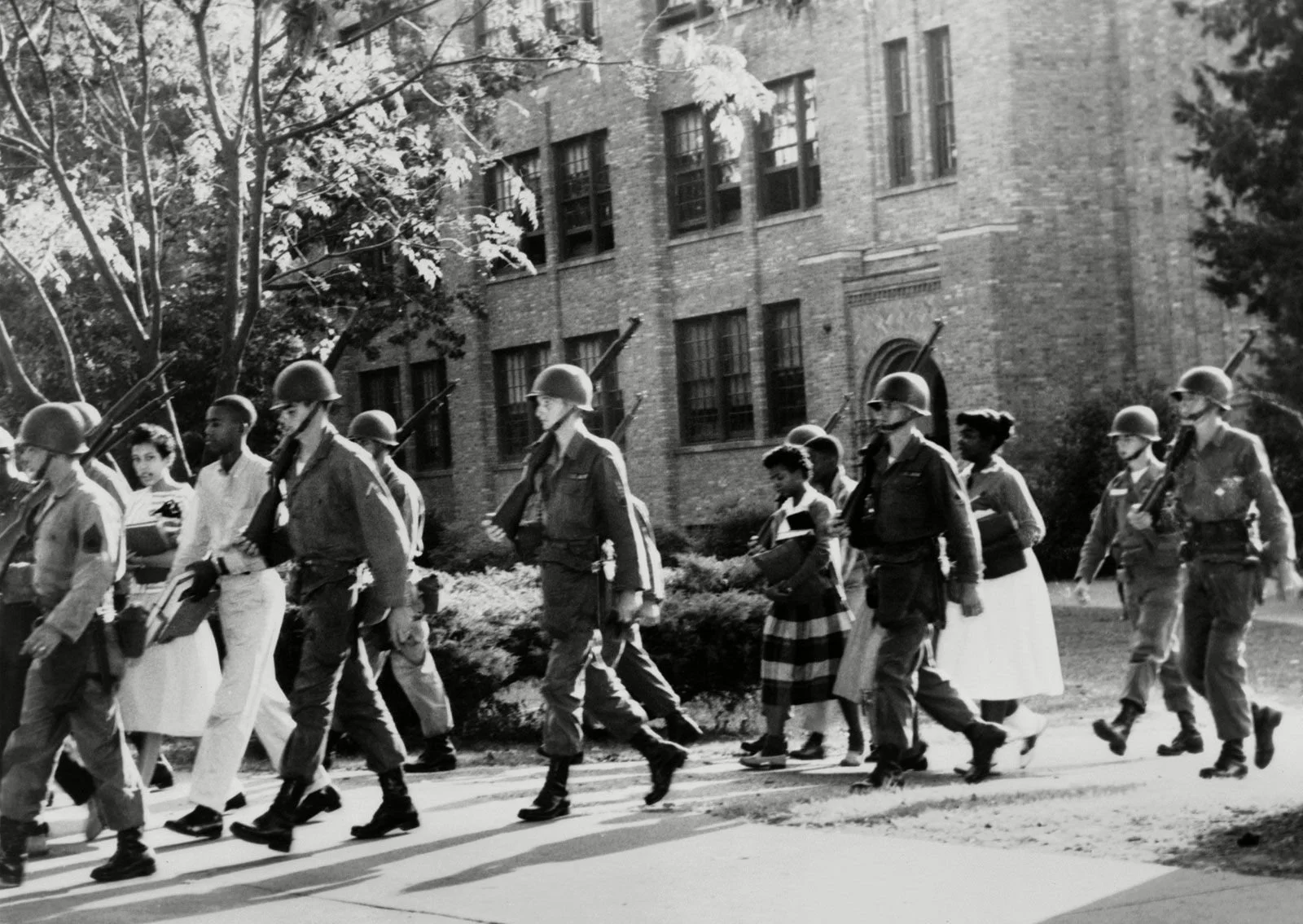

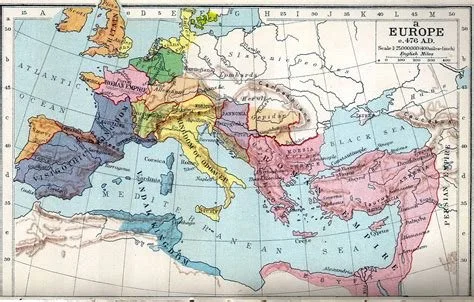
Occident by Accident?
What is so special about the West? Why is it in the West that the key developments have occurred throughout our history?
And what do the answers to those questions tell us about the world in which we live now and the world we should strive to create?
Will the West continue to win or is it in decline relative to other civilisational models? Are the contradictions of democracy and of capitalism simply too great?
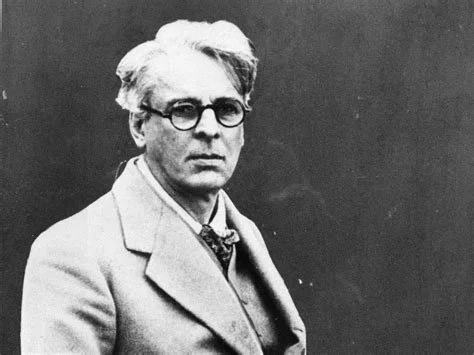
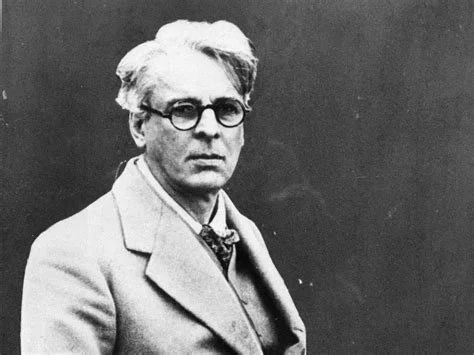
Why do things fall apart?
In the aftermath of the First World War, W. B. Yeats wrote The Second Coming, with its warning that “the centre cannot hold”. In an age of political polarisation, we ask whether the centre can hold, whether it should, and what would follow if it did not.
Connect with Us
To discuss our work, to propose a collaboration or to learn how you might support Futuresphere, send us your details and a short message, and we shall reply.